



Perubahan Iklim Ancam Peternak Lebah Korea Selatan

Foto Bisnis

Perubahan Iklim Ancam Peternak Lebah Korea Selatan

Rafida Fauzia - detikFinance
Jumat, 05 Jun 2026 23:02 WIB

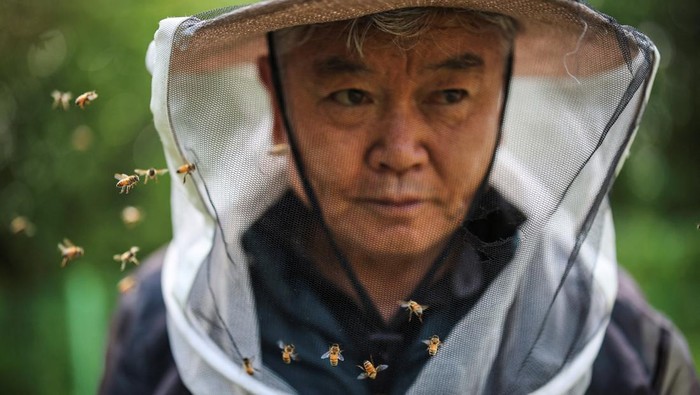
Korea Selatan - Perubahan iklim mengancam peternak lebah di Korea Selatan. Musim yang berubah dan populasi lebah menurun memangkas produksi madu.

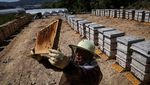
Park Gyeong-je, 65, a migratory beekeeper, checks an empty honeycomb that was supposed to be full of honey during the first honey harvest at the first location for migratory beekeeping in Gimcheon, South Korea, May 9, 2026. While Park used to make four trips across South Korea to harvest black locust honey, as a result ofΒ premature blooming he now makes only two and honey production takes place on only one to two months of the year.Β 

Park Gyeong-je, peternak lebah berusia 65 tahun di Kabupaten Sancheong, Korea Selatan, mengaku semakin khawatir terhadap masa depan usahanya akibat dampak perubahan iklim. REUTERS/Kim Hong-Ji
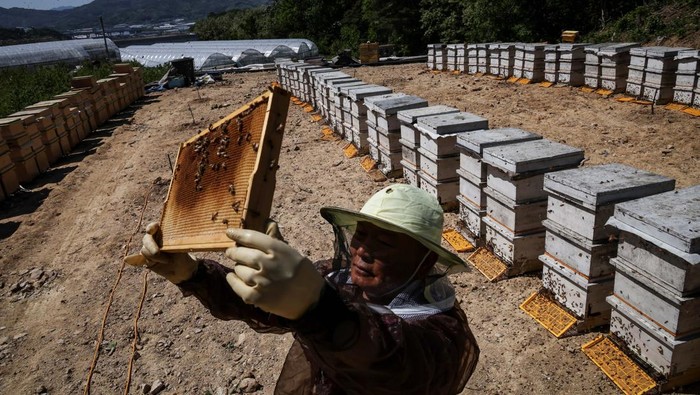
Park Gyeong-je, 65, a migratory beekeeper, checks an empty honeycomb that was supposed to be full of honey during the first honey harvest at the first location for migratory beekeeping in Gimcheon, South Korea, May 9, 2026. While Park used to make four trips across South Korea to harvest black locust honey, as a result ofΒ premature blooming he now makes only two and honey production takes place on only one to two months of the year.Β 

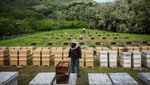
Selama hampir lima dekade, Park menggantungkan hidup dari peternakan lebah. Ia berpindah-pindah wilayah mengikuti musim berbunga untuk menghasilkan madu. REUTERS/Kim Hong-Ji
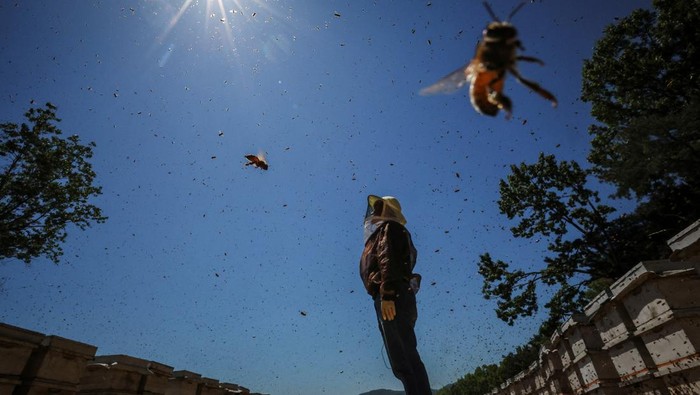
Park Gyeong-je, 65, a migratory beekeeper, checks an empty honeycomb that was supposed to be full of honey during the first honey harvest at the first location for migratory beekeeping in Gimcheon, South Korea, May 9, 2026. While Park used to make four trips across South Korea to harvest black locust honey, as a result ofΒ premature blooming he now makes only two and honey production takes place on only one to two months of the year.Β 

Namun, kenaikan suhu membuat musim berbunga menjadi lebih singkat dan datang lebih awal. Kondisi tersebut mengurangi waktu lebah untuk mengumpulkan nektar. REUTERS/Kim Hong-Ji
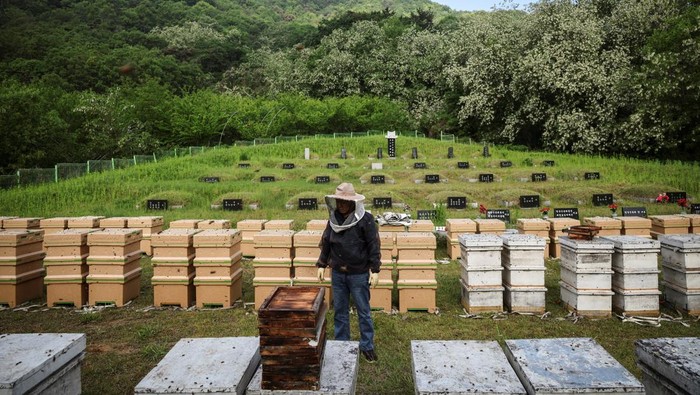
Park Gyeong-je, 65, a migratory beekeeper, checks an empty honeycomb that was supposed to be full of honey during the first honey harvest at the first location for migratory beekeeping in Gimcheon, South Korea, May 9, 2026. While Park used to make four trips across South Korea to harvest black locust honey, as a result ofΒ premature blooming he now makes only two and honey production takes place on only one to two months of the year.Β 

Perubahan cuaca juga menghadirkan angin kencang yang menyulitkan lebah kembali ke sarangnya. Selain itu, tungau dan berbagai penyakit baru turut mengancam populasi lebah. REUTERS/Kim Hong-Ji
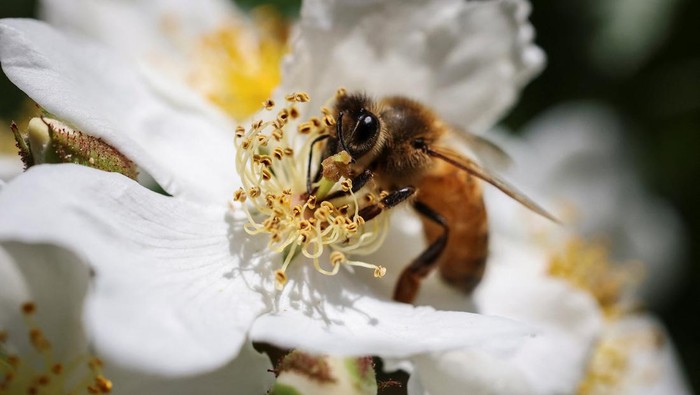
Park Gyeong-je, 65, a migratory beekeeper, checks an empty honeycomb that was supposed to be full of honey during the first honey harvest at the first location for migratory beekeeping in Gimcheon, South Korea, May 9, 2026. While Park used to make four trips across South Korea to harvest black locust honey, as a result ofΒ premature blooming he now makes only two and honey production takes place on only one to two months of the year.Β 

Park mengatakan perubahan musim kini semakin terasa bagi para petani. Menurutnya, musim semi dan gugur semakin pendek sehingga hanya tersisa musim panas dan musim dingin yang dominan. REUTERS/Kim Hong-Ji
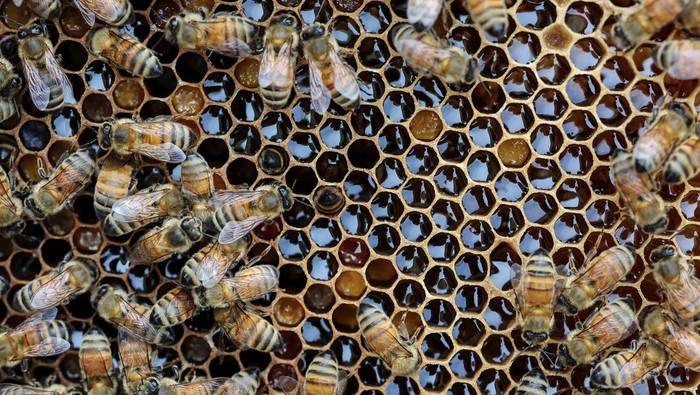
Park Gyeong-je, 65, a migratory beekeeper, checks an empty honeycomb that was supposed to be full of honey during the first honey harvest at the first location for migratory beekeeping in Gimcheon, South Korea, May 9, 2026. While Park used to make four trips across South Korea to harvest black locust honey, as a result ofΒ premature blooming he now makes only two and honey production takes place on only one to two months of the year.Β 

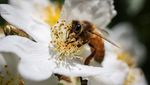
Para peneliti memperingatkan bahwa penurunan populasi lebah dapat berdampak pada pasokan pangan. Lebah berperan penting dalam penyerbukan berbagai tanaman seperti apel, stroberi, dan tomat. REUTERS/Kim Hong-Ji
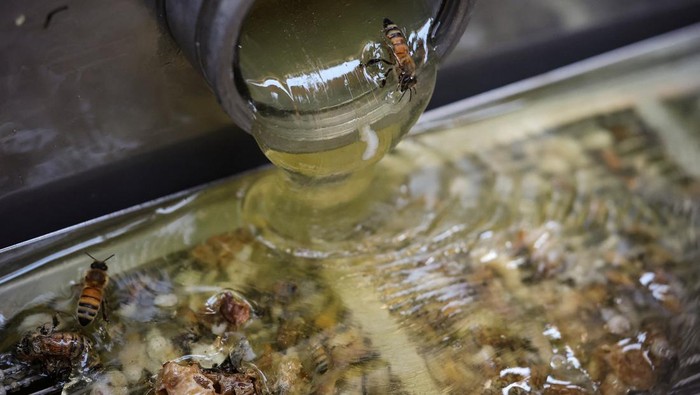
Park Gyeong-je, 65, a migratory beekeeper, checks an empty honeycomb that was supposed to be full of honey during the first honey harvest at the first location for migratory beekeeping in Gimcheon, South Korea, May 9, 2026. While Park used to make four trips across South Korea to harvest black locust honey, as a result ofΒ premature blooming he now makes only two and honey production takes place on only one to two months of the year.Β 

Data pemerintah menunjukkan jumlah sarang lebah untuk peternakan berpindah di Korea Selatan turun 14 persen dalam periode 2014 hingga 2023. Area sumber pakan lebah juga menyusut drastis dibanding beberapa dekade lalu. REUTERS/Kim Hong-Ji
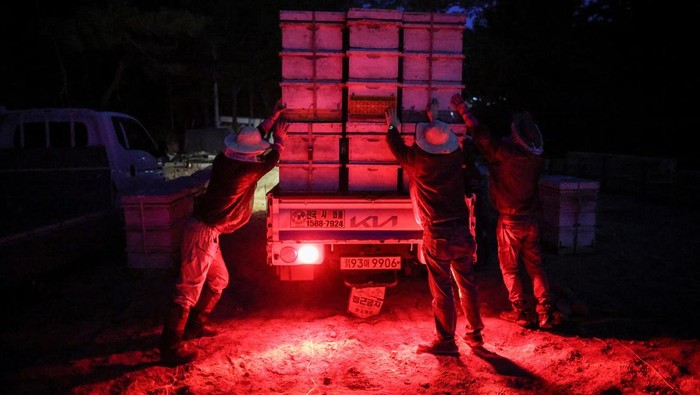
Park Gyeong-je, 65, a migratory beekeeper, checks an empty honeycomb that was supposed to be full of honey during the first honey harvest at the first location for migratory beekeeping in Gimcheon, South Korea, May 9, 2026. While Park used to make four trips across South Korea to harvest black locust honey, as a result ofΒ premature blooming he now makes only two and honey production takes place on only one to two months of the year.Β 

Sebuah studi memperkirakan aktivitas penyerbukan lebah di Korea Selatan dapat turun lebih dari 50 persen pada 2040–2060 jika perubahan iklim terus berlanjut. REUTERS/Kim Hong-Ji
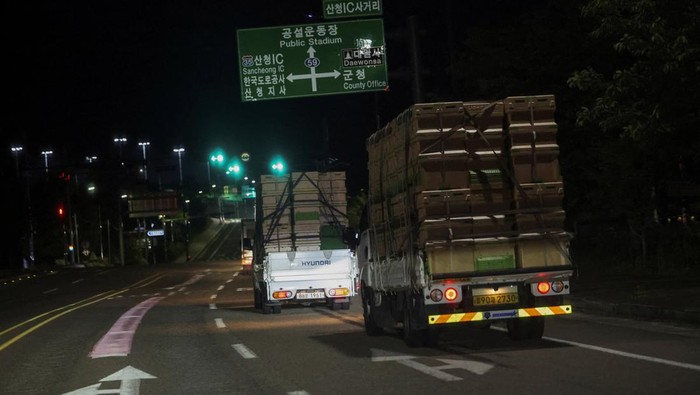
Park Gyeong-je, 65, a migratory beekeeper, checks an empty honeycomb that was supposed to be full of honey during the first honey harvest at the first location for migratory beekeeping in Gimcheon, South Korea, May 9, 2026. While Park used to make four trips across South Korea to harvest black locust honey, as a result ofΒ premature blooming he now makes only two and honey production takes place on only one to two months of the year.Β 

Pemerintah Korea Selatan mulai mengembangkan berbagai program untuk membantu populasi lebah, termasuk membiakkan lebah yang lebih tahan terhadap perubahan iklim dan menerapkan teknologi peternakan pintar. REUTERS/Kim Hong-Ji

Park Gyeong-je, 65, a migratory beekeeper, checks an empty honeycomb that was supposed to be full of honey during the first honey harvest at the first location for migratory beekeeping in Gimcheon, South Korea, May 9, 2026. While Park used to make four trips across South Korea to harvest black locust honey, as a result ofΒ premature blooming he now makes only two and honey production takes place on only one to two months of the year.Β 

Meski hasil panen madu turun sekitar 70 persen dibanding era 1990-an, Park tetap bertekad melanjutkan usahanya. Ia bahkan menyiapkan putrinya untuk meneruskan bisnis peternakan lebah keluarga di masa depan. REUTERS/Kim Hong-Ji

Perubahan Iklim Ancam Peternak Lebah Korea Selatan
Berita Terkait


Hide Ads